





Today

Invoice fraud: how to effectively protect your business

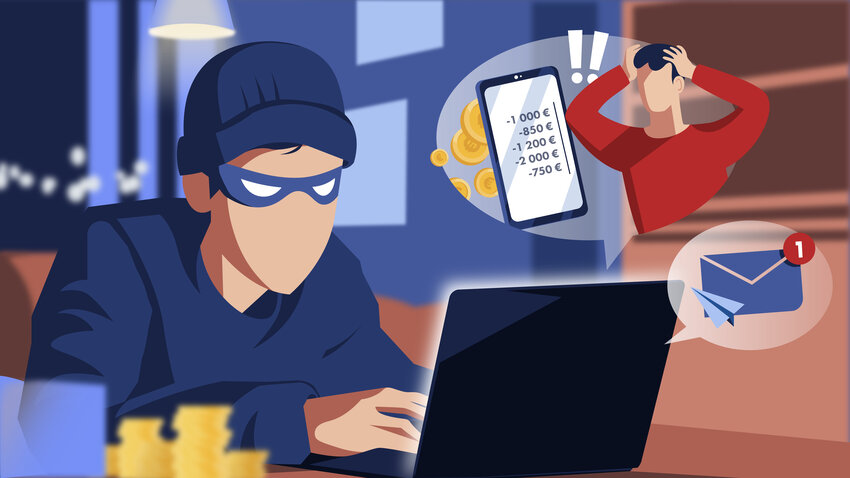
Invoice fraud is now one of the most widespread and costly threats to businesses, regardless of their size or industry. It primarily targets business-to-business (B2B) payments and exploits a key factor: the trust established with your regular partners. Understanding how it works and developing the right reflexes is essential to avoid financial losses that are often irreversible. In this article, discover what you need to know about the topic.

What is invoice fraud?

Invoice fraud consists of tricking you into paying a fraudulent invoice or persuading you to transfer money to a bank account controlled by fraudsters. Most of the time, they impersonate a known supplier or a long-standing partner.

In most cases, the invoice appears perfectly legitimate: logo, layout, references, and even a history of business relations. Only the bank details have been modified.

Three concrete examples of high-risk situations

1. Unexpected IBAN change

You receive an invoice from a service provider you regularly work with. A simple message accompanies the invoice: “Following a banking change, please use our new IBAN.”
Pressed by payment deadlines, the transfer is made without further verification. A few days later, the real supplier contacts you to report a missed payment.

2. The e-mail that perfectly imitates your supplier

At first glance, the e-mail address looks correct, but it contains a slight variation (for example: .com instead of .eu, or a missing or altered letter). The message is written in the usual tone and requests urgent payment to avoid delivery delays.

3. Time pressure

Fraud is often accompanied by a sense of urgency: “immediate payment required”, “final reminder”, “risk of penalties”. This pressure aims to bypass internal procedures.

What if you switched to S Net Business now?

Since the introduction of VOP (Verification of Payee — the mechanism that checks the IBAN and beneficiary when entering payments) in SNet Business, you already benefit from an initial control. If there is a mismatch between the entered beneficiary name and the IBAN, you will be notified.

However, this does not replace you double-checking the information before validating the payment.

Why are companies easily targeted?

  • Fraudsters know your payment habits.
  • They exploit routine and the workload of accounting and finance teams.
  • Requests appear consistent with your actual business activity.
  • Amounts are sometimes “reasonable” to avoid raising suspicion.

Best practices to prevent invoice fraud

Here are some simple but essential measures to incorporate into your procedures:

1. Always verify bank details

  • Compare the IBAN with previously used ones.
  • Be cautious of any change, even minor.

2. Confirm changes through an independent channel

  • Do not reply directly to the e-mail received.
  • Call your usual contact using a known number (do not use the one provided in the invoice or e-mail).
  • Avoid relying solely on e-mail communication.

3. Stay vigilant with urgent or unusual requests

  • Urgency is a recurring warning sign.
  • Take time to verify, even under pressure.

4. Implement internal controls

  • Apply the dual control or dual signature principle.
  • Separate tasks (entry vs. validation).
  • Establish clear written procedures for bank detail changes.

5. Raise team awareness

Prevention also relies on people:

  • Regularly inform accounting, finance, and administrative teams.
  • Share real examples of fraud attempts.
  • Encourage verification over speed.

Vigilance remains your best protection

No tool, no matter how advanced, can fully replace human attention. Automated control systems provide an initial barrier, but the final verification remains in your hands.

By incorporating these practices into your daily processes and raising awareness among your employees, you significantly reduce the risk of falling victim to invoice fraud.

Prevention is always less costly than a fraudulent transfer. Once a transfer is executed and the funds are credited to the fraudster’s account, the money is usually impossible to recover.

About protection…

Did you know that you can protect your business against cyberattacks with the easyPRO Cyber insurance* from our partner LALUX?

For more information, please contact your Spuerkeess advisor.

*The easyPRO Cyber insurance is only available to companies (SMEs).

You might also like

Payments Entrepreneurship